


Dental Instruments: Complete Guide to Types, Uses & How to Choose the Best Instruments (2026)

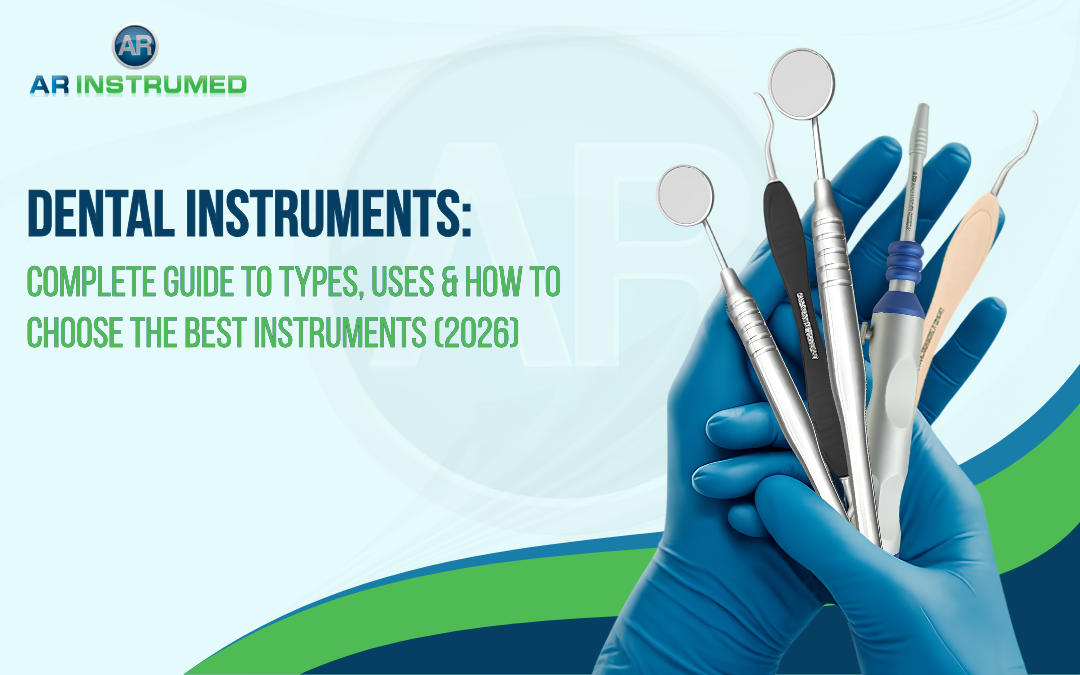
Choosing the right dental instruments is one of the most important decisions a dental practice, clinic, or dealer can make. Whether you are a dentist setting up a new clinic, a dental student learning the basics, or a distributor sourcing products for your market, understanding dental instruments, their types, uses, materials, and quality standards helps you make smarter, safer decisions. In this complete 2026 guide, we cover everything you need to know about dental instruments, from diagnostic tools to surgical kits, so you can choose instruments that perform reliably and last longer.
Dental instruments are specialized hand tools and clinical equipment designed for dental professionals to examine, manipulate, treat, restore, and remove teeth and surrounding oral structures safely and effectively.
These tools range from simple diagnostic tools like mirrors and probes to advanced surgical kits used in implantology and oral surgery. Most professional-grade dental instruments are made from stainless steel or titanium, since both materials resist corrosion, withstand repeated autoclave sterilization, and hold a sharp edge over years of clinical use.
Every dental procedure from a routine check-up to a complex extraction depends on having the correct instrument for the job. This is why understanding the dental instruments list relevant to your specialty is the first step toward building an efficient, well-equipped clinic.
Types of Dental Instruments: A Complete List by Category
Dental instruments are generally grouped by the stage of treatment or the dental specialty they support. Below is a quick comparison reference, followed by a detailed breakdown of the main categories of dental hand instruments used in modern dentistry.
Quick Reference: Dental Instrument Categories & Materials
| Instrument Category | Primary Clinical Use | Key Material Standards | Standard Instrument Examples |
|---|---|---|---|
| 1. Diagnostic | Oral examinations, tissue retraction & initial diagnostics | Stainless Steel, Lightweight Titanium | Mouth Mirrors, Periodontal Probes, Explorers |
| 2. Restorative | Cavity preparation, material placement & anatomical shaping | Non-stick Stainless Steel, Silicone Handles | Amalgam Carriers, Burnishers, Carvers |
| 3. Surgical | Soft & hard tissue cutting, suturing & retracting | Surgical-grade German Steel, Tungsten Carbide | Scalpel Handles, Surgical Scissors, Needle Holders |
| 4. Extraction | Tooth luxation, elevation & socket removal | High-tensile Stainless Steel | Extraction Forceps, Dental Elevators |
| 5. Periodontal | Subgingival calculus removal & root planing | High-carbon Stainless Steel (holds sharp edge) | Scalers, Periodontal Curettes |
| 6. Orthodontic | Wire manipulation, bracket placement & removal | Hardened Tool Steel Inserts | Orthodontic Pliers, Distal End Cutters |
| 7. Implantology | Bone preparation, implant placement & tightening | Pure Titanium, Surgical Stainless Steel | Torque Wrenches, Depth Gauges, Implant Drivers |
1. Diagnostic Dental Instruments
Diagnostic dental instruments are the first tools used during any dental examination. They help the dentist assess the condition of the teeth, gums, and oral cavity before deciding on treatment.
- Mouth mirrors – for indirect vision and retraction
- Dental explorers/probes – to detect cavities and tartar
- Periodontal probes – to measure gum pocket depth
- Tweezers – to hold small objects or cotton rolls
2. Restorative (Conservative) Dental Instruments
Restorative dental instruments are used for filling cavities and repairing damaged teeth. This category includes amalgam carriers, plastic filling instruments, burnishers, and carving instruments that shape composite or amalgam restorations to match the natural tooth structure.
3. Dental Surgical Instruments
Dental surgical instruments are designed for procedures that go beyond routine treatment, such as minor oral surgery, biopsies, and flap procedures. Common tools include scalpel handles, surgical scissors, needle holders, retractors, and hemostats. Precision and durability are critical here, since surgical instruments must maintain sharpness and structural integrity under repeated sterilization cycles.
4. Extraction Instruments
Extraction dental instruments include forceps and elevators designed for removing teeth safely and efficiently. Forceps are typically shaped for specific tooth types (upper molars, lower incisors, etc.), while elevators help loosen the tooth from the socket before extraction.
5. Periodontal Instruments
Periodontal instruments are used to treat gum disease and maintain periodontal health. Scalers and curettes remove plaque and calculus from above and below the gumline, helping prevent gingivitis and periodontitis.
6. Orthodontic Instruments
Orthodontic instruments support the placement, adjustment, and removal of braces and aligners. This category includes orthodontic pliers, wire cutters, band pushers, and bracket removers, all designed for precise control of wires and brackets.
7. Implantology Instruments
Implantology instruments are used in the placement of dental implants, including implant drivers, torque wrenches, bone curettes, and surgical kits designed to match specific implant systems. Because implant placement requires high precision, these instruments are manufactured to tight tolerances.
Materials Used in Dental Instruments: Stainless Steel vs Titanium
The material of a dental instrument directly affects its performance, weight, and lifespan.
- Stainless Steel: Remains the industry standard because it is strong, corrosion-resistant, and cost-effective for high-volume clinical use.
- Titanium: Titanium instruments are lighter and highly resistant to corrosion, making them popular for microsurgery and implant procedures where precision and reduced hand fatigue matter most.
Many modern dental instruments now come with silicone handles. Silicone handle dental instruments offer a more ergonomic, non-slip grip, which reduces hand strain during long procedures and improves control, especially for dentists performing multiple surgeries in a day.
How to Choose the Best Dental Instruments for Your Practice
With so many options available, choosing the right dental equipment can feel overwhelming. Here are the key factors to consider:
- Material quality: Choose surgical-grade stainless steel or titanium that meets international quality standards (like ISO and CE).
- Sterilization compatibility: Ensure instruments can withstand rigorous autoclave sterilization cycles without corroding or dulling.
- Ergonomics: Silicone or contoured, hollow handles reduce hand fatigue and prevent repetitive strain injuries (RSI) during long procedures.
- Manufacturer reputation: Work with a trusted dental instrument manufacturer with proper regulatory certifications.
- Purpose-built design: Match the instrument set to your specialty—surgery, orthodontics, implantology, or general dentistry.
- Pricing and supply reliability: For clinics and dealers, sourcing wholesale dental instruments from a consistent OEM supplier reduces downtime and procurement stress.
Where to Source Reliable Dental Instruments
If you are a dentist, clinic owner, or distributor looking for a trusted dental instrument manufacturer, AR Instrumed is a Sialkot, Pakistan based manufacturer supplying dental and surgical instruments worldwide.
Their vast manufacturing catalog features thousands of high-quality products covering diagnostic, restorative, surgical, extraction, periodontal, orthodontic, and implantology categories.
To cater to modern clinical preferences, their product range also includes specialized silicone-handle instruments, pre-configured complete instrument sets, and full-scale OEM manufacturing services for international dealers, dental brands, and bulk buyers. You can explore their full product catalog and place wholesale or OEM inquiries directly at ar-instrumed.com.
Conclusion
Understanding the different types of dental instruments from diagnostic tools to surgical and implantology kits helps dental professionals build a well-equipped, efficient practice. Whether you are choosing your first set of instruments or upgrading to higher-quality surgical-grade tools, focusing on material quality, ergonomics, and a reliable manufacturer will ensure better clinical outcomes and long-term value. As you plan your next purchase, explore trusted suppliers like AR Instrumed for a complete range of dental instruments backed by manufacturing expertise.
Frequently Asked Questions
1. What are the most commonly used dental instruments?
The most commonly used dental instruments include mouth mirrors, explorers, periodontal probes, forceps, scalers, and elevators. These form the core toolkit for routine examinations, cleanings, and minor procedures.
2. What material is best for dental instruments: stainless steel or titanium?
Stainless steel is durable, affordable, and widely used for general dental instruments, while titanium is lighter and more corrosion-resistant, making it ideal for microsurgery and implant procedures where precision matters most.
3. How often should dental instruments be replaced?
Dental instruments should be inspected regularly for wear, corrosion, or dullness. High-quality surgical-grade instruments can last several years with proper sterilization and care, but sharp-edged tools like scalers and forceps may need earlier replacement based on usage frequency.
4. What is the difference between dental hand instruments and dental equipment?
Dental hand instruments refer to manual tools like probes, forceps, and scalers used directly by the dentist, while dental equipment typically refers to larger machinery such as dental chairs, autoclaves, and X-ray units used in the clinic setup.
5. Where can dental clinics buy wholesale dental instruments?
Dental clinics and distributors can source wholesale dental instruments directly from certified manufacturers who offer OEM options, bulk pricing, and consistent quality control, such as AR Instrumed, which supplies dental instruments to clinics and dealers internationally.